
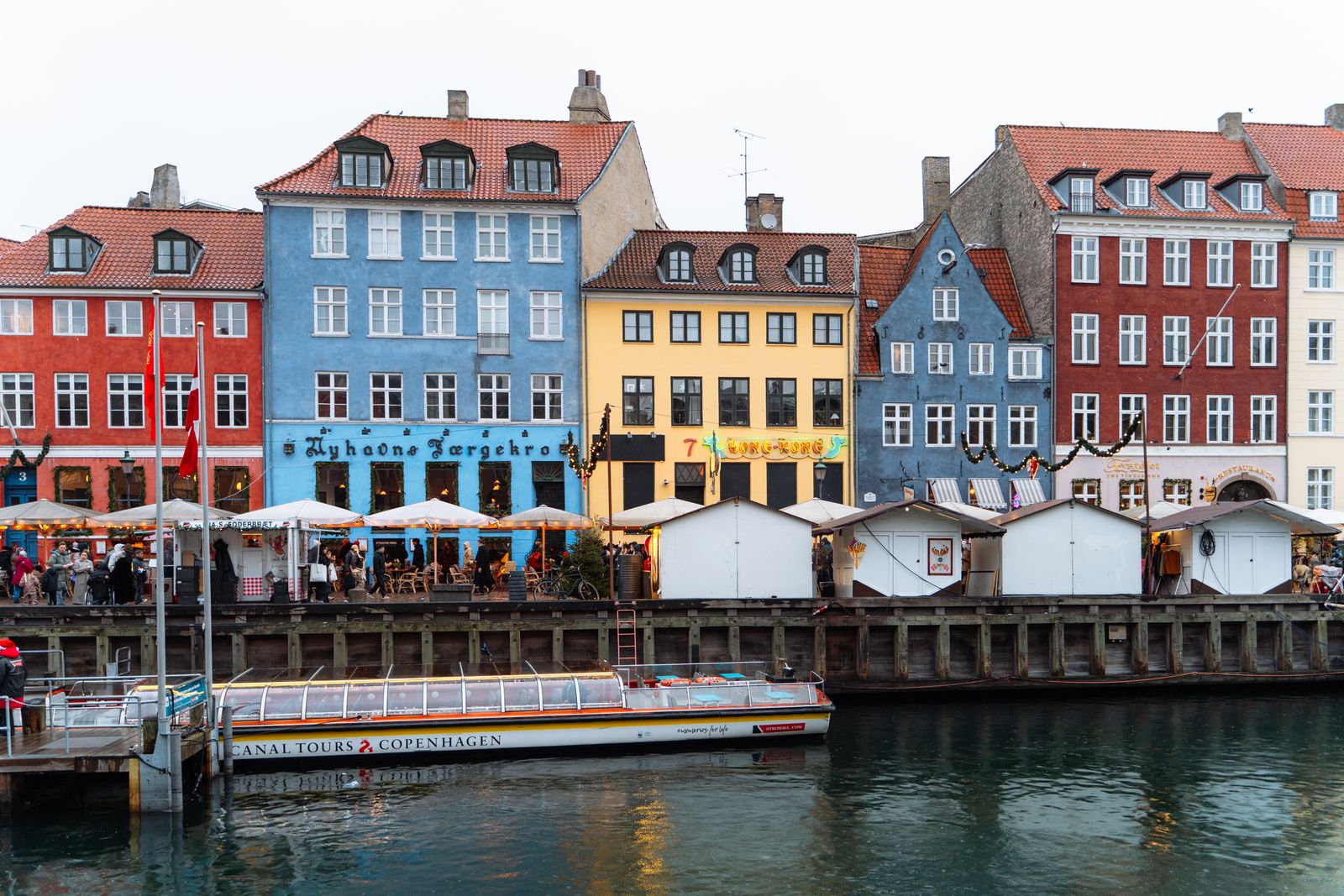
Copenhagen
 Denmark
Scandi cool by the water
Overview
Copenhagen is Denmark’s clear expat hub and the country’s most practical base for long term living. The city blends elegant historic streets, bike first infrastructure, world class design, and a harbor clean enough for swimming in summer. It feels compact and human scale, yet it offers the jobs, international community, and cultural depth you would expect from a major capital. Life here is organized, efficient, and expensive, but the quality of daily living is exceptionally high.
Why Expats Love It
Expats and digital nomads choose Copenhagen for its safety, excellent public transit, widespread English proficiency, and strong work life balance. It is easy to live without a car, easy to meet international residents, and easy to enjoy daily life through cafes, cycling, waterfront spaces, and reliable public services.
Must Dos
The essential, top gem experiences for the full tourist experience.
Nyhavn Canal
Walk the colorful old harbor, then take a canal tour from Nyhavn to see Christianshavn, the Opera House, and the city’s waterfront from the water.
Tivoli Gardens
Visit the historic amusement park beside Copenhagen Central Station, especially at night when the gardens glow and the rides, concerts, and food stalls come alive.
Rosenborg Castle
Explore the Renaissance castle in the King’s Garden and see the Danish crown jewels and royal regalia inside the treasury.
Torvehallerne Market
Sample smorrebrod, pastries, coffee, and fresh seafood at this upscale food market near Norreport, one of the best places to taste modern Copenhagen.
Christiansborg Tower
Go up the free viewing tower at Christiansborg for one of the best city panoramas, then explore the palace area on Slotsholmen.
Louisiana Museum Day Trip
Take the train north to Humlebaek for Denmark’s most beloved modern art museum, where sculpture gardens and sea views are as memorable as the galleries.
Off the Beaten Path
Live like a local. Special, lesser known experiences for adventurers who want real local flavor.
La Banchina Morning
Join locals for a harbor dip and coffee at La Banchina in Refshaleoen, a tiny waterside spot with sauna culture and one of the city’s best low key sunrise views.
Jægersborggade Stroll
Spend an afternoon on Jægersborggade in Norrebro, browsing ceramics, natural wine bars, tiny bakeries, and independent design shops away from the main tourist lanes.
Sydhavn Harbor Walk
Explore Copenhagen’s South Harbor around Sluseholmen and Teglholmen, where canals, modern housing, and quiet waterfront paths show everyday local life.
Assistens Cemetery
Wander this peaceful green cemetery in Norrebro, where locals jog and picnic among historic graves including Hans Christian Andersen and Soren Kierkegaard.
Reffen Street Food
Head to Reffen on Refshaleoen for a more local feeling waterfront food market, especially on warm evenings when Copenhageners come for drinks, sunsets, and live events.
Grundtvig’s Church
Visit this striking expressionist church in Bispebjerg, then walk the surrounding residential streets for a quieter side of the city rarely prioritized by short stay visitors.
Cost of Living
1-Bedroom Apartment (City Center)
$1850/mo
3-Bedroom Apartment (City Center)
$3100/mo
Restaurant Meal
$30
Monthly Groceries
$420/mo
Monthly Transportation
$75/mo
Monthly Healthcare
$180/mo
Climate
Copenhagen has a cool temperate coastal climate with mild to chilly winters, cool summers, and frequent wind. Expect gray skies and short daylight in winter, while late spring and summer bring long bright evenings and the most pleasant weather.
Best Time to Visit
May to September
Visa & Residency
Written for US citizens
US passport holders can visit Denmark and the Schengen Area for up to 90 days within any 180 day period without a visa. Denmark does not offer a simple broad digital nomad visa, so longer stays usually require a residence permit tied to work, study, family reunification, or specific schemes. Rules can change, so check the Danish Agency for International Recruitment and Integration and official Danish immigration guidance before planning a move.
These notes assume a US passport. If you hold a different nationality, your visa options and timelines may vary. Always confirm current rules with the official embassy or consulate before you commit.
Safety
Copenhagen is one of Europe’s safer capitals, with low violent crime and a strong sense of public order. The most common issues for newcomers are bike theft, pickpocketing in busy tourist zones like Nyhavn and Central Station, and occasional gang related incidents that rarely affect visitors.
Healthcare
Denmark’s healthcare system is high quality and residents with a CPR number generally access public care through the national system. New arrivals may need private coverage while registration is pending, and many expats also choose supplemental insurance for faster specialist access or private hospitals.
Culture & Lifestyle
Culture
Danes are polite, reserved at first, and value punctuality, privacy, and low key confidence. Social life often happens in small circles, so joining clubs, sports, language classes, or coworking communities helps a lot.
Lifestyle
Daily life in Copenhagen revolves around biking, good coffee, waterfront walks, seasonal food, and a strong respect for personal time. It suits people who value clean design, efficiency, family friendliness, and a calmer pace over nonstop nightlife.
Language
Danish, English widely spoken
Currency
Danish krone (DKK)
Timezone
CET (UTC+1)