
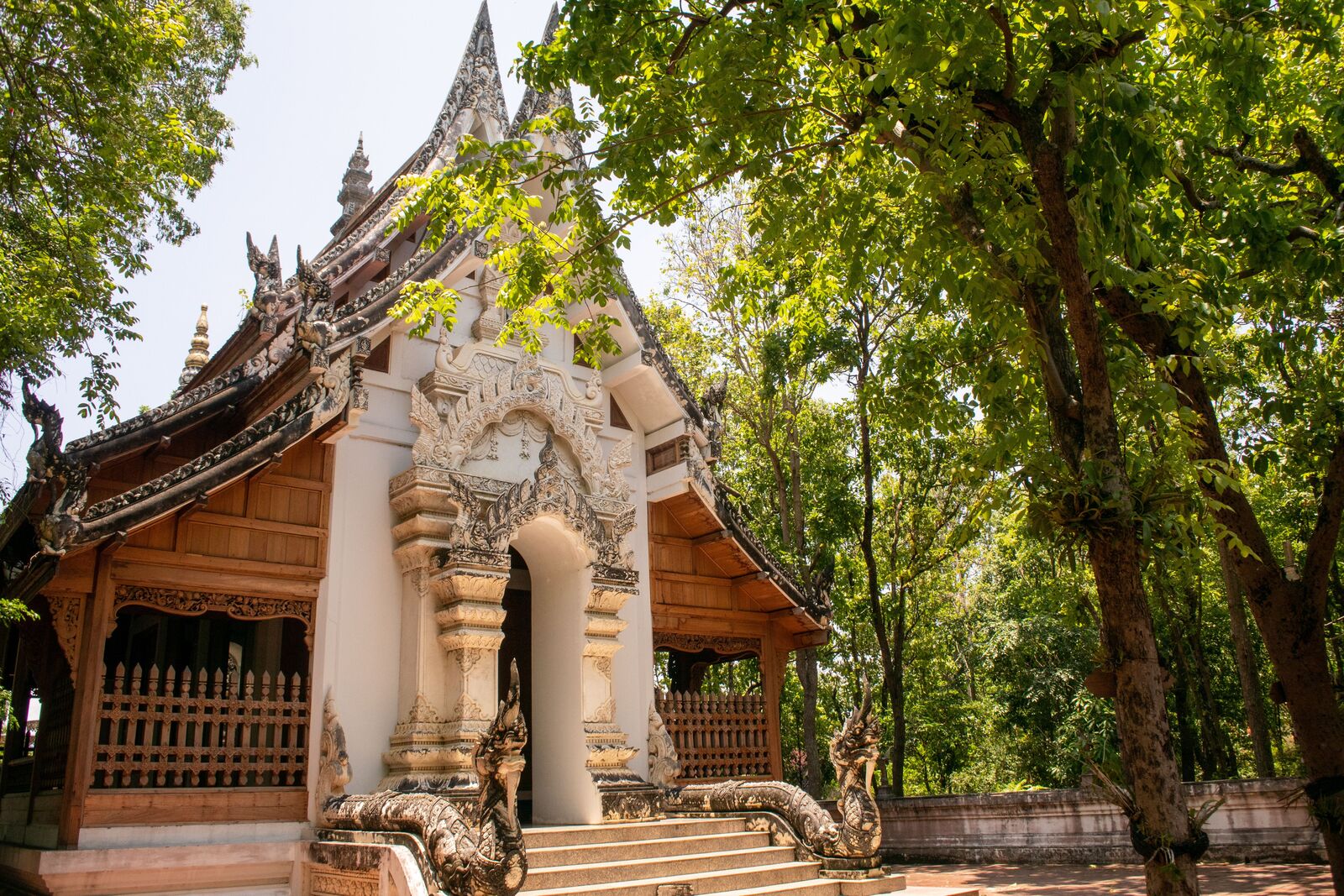
Chiang Mai
 Thailand
Thailand’s laid back mountain city with strong nomad infrastructure and low everyday costs
Overview
Chiang Mai is the cultural heart of northern Thailand, known for its old city temples, cafe scene, green mountains, and relaxed pace of life. It has been one of the world’s best known digital nomad hubs for years because it combines affordable living with reliable amenities, good healthcare, and a large international community. Expats often choose Chiang Mai for its balance of urban convenience and easy access to nature. The city feels smaller and calmer than Bangkok, while still offering modern coworking spaces, shopping malls, and international dining.
Why Expats Love It
Expats and remote workers are drawn by low rents, abundant cafes and coworking spaces, strong expat networks, and easy weekend trips to mountains, waterfalls, and nearby countries. The city also offers excellent Thai food, private hospitals, and a more relaxed lifestyle than larger capitals.
Must Dos
The essential, top gem experiences for the full tourist experience.
Doi Suthep at Sunrise
Ride or songthaew up to Wat Phra That Doi Suthep before the crowds for sweeping views over Chiang Mai and the golden chedi glowing in early light. Climb the naga staircase, hear the temple bells, and look back across the old city and Ping River plain.
Old City Temple Loop
Spend a half day walking the moat-ringed old city to see Wat Chedi Luang, Wat Phra Singh, and Wat Chiang Man, three of Chiang Mai's defining temples. The lane network inside the square is best explored on foot, with coffee stops on Ratchadamnoen and Phra Pok Klao roads.
Sunday Walking Street
On Sunday evening, Ratchadamnoen Road turns into Chiang Mai's most famous market, packed with food stalls, craft vendors, buskers, and temple courtyards full of local snacks. Come hungry for sai ua, mango sticky rice, and fresh fruit shakes, and arrive before 6 pm if you dislike dense crowds.
Khao Soi Crawl
Eating khao soi is a Chiang Mai rite of passage, and two classic stops are Khao Soi Khun Yai near Wat Lok Moli and Khao Soi Islam near the Night Bazaar area. Compare the rich coconut curry broth, crispy noodles, lime, pickled mustard greens, and your choice of chicken or beef.
Warorot Market Morning
Go early to Kad Luang, also called Warorot Market, for northern Thai snacks, flowers, dried fruit, and everyday Chiang Mai commerce by the Ping River in Chinatown. Wander the surrounding Ton Lam Yai Market and the small lanes around Wichayanon Road for herbs, fabric, and local sweets.
Night Bazaar and Ping River
Visit the Night Bazaar on Chang Klan Road for the classic Chiang Mai evening scene, then walk or ride to the Ping River for dinner at a riverside restaurant. The contrast between the busy market strip and the calmer riverfront gives a strong sense of the city's tourist core and social life.
Off the Beaten Path
Live like a local. Special, lesser known experiences for adventurers who want real local flavor.
Jing Jai Farmers Market
On weekend mornings, Jing Jai Market north of the old city fills with growers, bakers, ceramic makers, and small food stalls popular with local families and long-term residents. Browse organic produce, northern sausages, and handmade goods, then linger in the leafy courtyard with coffee.
Wat Umong Forest Tunnels
Head to Wat Umong in Suthep for a quieter temple experience, with mossy brick tunnels, a lake, and wooded grounds that feel far removed from the city center. Locals come here to meditate, make merit, and escape the heat under the trees.
Baan Kang Wat Morning
This artist village near Wat Umong has independent studios, small design shops, coffee spots, and shaded paths that attract Chiang Mai creatives more than package tourists. Go in the morning for ceramics, prints, and a slower neighborhood feel near the foothills.
San Pa Koi Food Street
Cross the Ping River to San Pa Koi Road in the evening for a very local eating scene of grill smoke, noodle shops, and dessert stalls. It is a good area to try sai ua, nam prik num with pork crackling, and no-frills northern dishes at neighborhood prices.
Ton Payom Market Lunch
Near Chiang Mai University, Ton Payom Market is a favorite for students and office workers looking for quick, inexpensive northern Thai food. Come for kanom jeen, fried chicken, sticky rice, and stalls selling sai ua and nam phrik ong to take away.
Ban Mae Kampong Day Trip
About an hour east of Chiang Mai, Mae Kampong is a mountain village known for tea, coffee, cool air, and wooden houses built along a stream. Skip the rushed photo stops and spend time walking the village lanes, drinking locally grown coffee, and eating simple dishes at homestays or cafes.
Cost of Living
1-Bedroom Apartment (City Center)
$420/mo
3-Bedroom Apartment (City Center)
$860/mo
Restaurant Meal
$10
Monthly Groceries
$220/mo
Monthly Transportation
$35/mo
Monthly Healthcare
$70/mo
Climate
Chiang Mai has a tropical savanna climate with hot, dry, and rainy seasons. Temperatures are warm to hot year round, with a cooler and more pleasant period roughly from November to February, and smoky air can be a serious issue during burning season, often from February to April.
Best Time to Visit
November to February
Visa & Residency
Written for US citizens
Americans can typically enter Thailand visa exempt for tourism for up to 60 days, with a possible extension from immigration. For longer stays, common options include tourist visas, education visas, retirement visas for eligible older adults, and the Long Term Resident visa for qualifying high income professionals, retirees, or remote workers employed by established overseas companies. Thailand does not offer a simple standalone digital nomad visa specifically for freelancers.
These notes assume a US passport. If you hold a different nationality, your visa options and timelines may vary. Always confirm current rules with the official embassy or consulate before you commit.
Safety
Chiang Mai is generally safe, with petty theft and scooter accidents more common than violent crime. Use normal precautions at night, secure valuables, and be especially careful if renting a motorbike because road safety standards differ from the US.
Healthcare
Chiang Mai has several well regarded private hospitals and clinics, and many expats use private care because it is affordable by US standards and service is typically strong. Comprehensive insurance is still important, especially for emergencies, surgery, or evacuation.
Culture & Lifestyle
Culture
Thai culture in Chiang Mai tends to be polite, community minded, and respectful, with strong emphasis on calm behavior and saving face. Expats generally integrate well when they learn basic Thai phrases, dress appropriately at temples, and show respect for local customs and the monarchy.
Lifestyle
Daily life is easygoing and cafe centered, with many people working remotely in coffee shops or coworking spaces before heading to markets, gyms, or evening street food spots. Weekends often revolve around temple visits, mountain drives, yoga, or short trips into northern Thailand.
Language
Thai, with English common in tourist and expat areas
Currency
Thai Baht (THB)
Timezone
ICT (UTC+7)
Community Discussions
How bad is burning season really?
I keep hearing that the air quality in Chiang Mai gets rough for a stretch in spring when farmers burn the fields. For those who live there year round, how much does it actually affect daily life, and do you leave for those weeks or just run air purifiers and tough it out?
It is real and it is worth planning around. Many long-termers travel elsewhere for the worst weeks, roughly late in the dry season. If you stay, a good purifier in the bedroom is non negotiable.
I treat it as my cue to go to the islands or Vietnam for a month. Outside that window the weather and air are lovely, so it is a trade most of us accept.
Best coworking spaces and cafes with genuinely reliable wifi?
Moving to Chiang Mai with the family and I need somewhere I can take calls without the connection dropping. I know the city is famous for nomad cafes but I would love current recommendations, especially places that are laptop friendly all day and have backup power. Nimman seems to be the hub but open to anywhere with good energy.
Nimman is the classic base and you will find a dedicated coworking spot within walking distance of most condos there. For calls, a proper coworking membership beats cafes because the wifi and aircon are consistent.
Get a local SIM with a big data plan as backup and tether when a cafe wifi wobbles. Cheap insurance for important meetings.
The tethering tip is gold, thank you. Booking a coworking trial for my first week.