
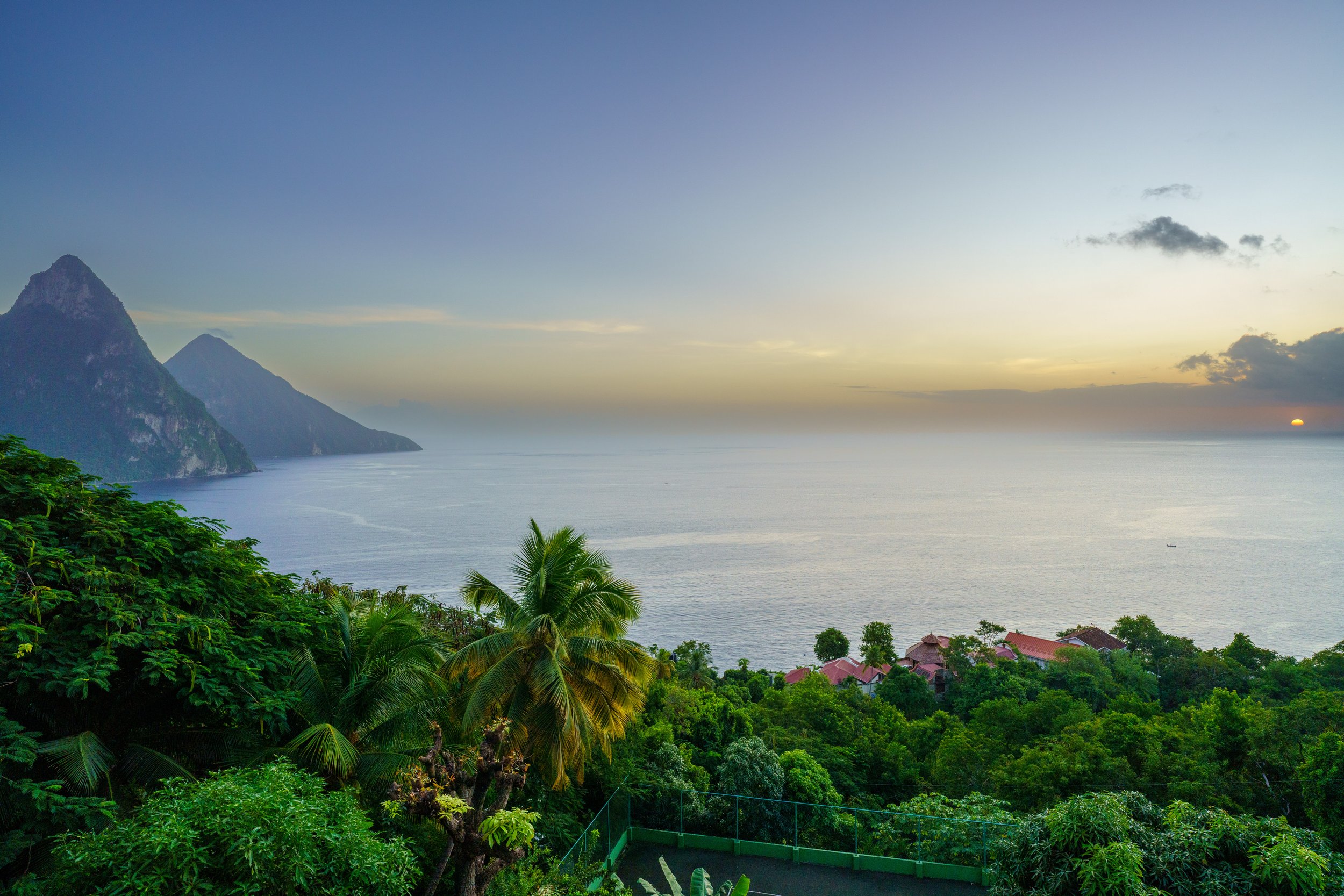
Castries
 Saint Lucia
Caribbean capital, rainforest backdrop, harbor life
Overview
Castries is the practical heart of Saint Lucia and the best base for most expats who want services, transport links, and everyday convenience. Set around a busy natural harbor on the island’s northwest coast, it mixes government offices, markets, ferry and cruise traffic, and quick access to beaches and resort areas farther north. While the city center is compact and workaday rather than polished, nearby neighborhoods and the greater Castries to Rodney Bay corridor offer the widest choice of rentals, shopping, healthcare, and coworking-friendly cafes on the island. For long-term living, many expats use Castries as their administrative and transport hub while spending leisure time along Vigie, Choc, and Gros Islet.
Why Expats Love It
Expats and digital nomads choose Castries because it is the most connected place in Saint Lucia, with the island’s main port, easy access to George F. L. Charles Airport, supermarkets, banks, and government services. It also gives you faster access than the south to reliable amenities, private clinics, and the restaurant and beach scene in Rodney Bay, while still keeping you close to local life and lower day-to-day costs than living full-time inside a resort district.
Must Dos
The essential, top gem experiences for the full tourist experience.
Castries Market Morning
Walk the Castries Central Market early for spices, fruit, cocoa sticks, and local snacks, then browse the craft vendors nearby on Jeremie Street.
Morne Fortune Views
Head up Morne Fortune for sweeping harbor views, old military history, and a look at the Government House area above Castries.
Vigie Beach Break
Spend a laid-back afternoon at Vigie Beach, a calm sandy stretch close to the city and minutes from George F. L. Charles Airport.
Rodney Bay Evening
Go north to Rodney Bay for dinner, marina views, cocktails, and one of the island’s easiest places to socialize after work.
Pigeon Island Day
Visit Pigeon Island National Landmark near Gros Islet for fort ruins, coastal views, and swimming coves with a strong sense of Saint Lucia’s history.
Sulphur Springs Trip
Take a day trip south to Soufriere to see Sulphur Springs, the island’s famous drive-in volcano area, then pair it with a mud bath or nearby waterfall stop.
Off the Beaten Path
Live like a local. Special, lesser known experiences for adventurers who want real local flavor.
Vendor Arcade Lunch
Eat where locals do inside the Castries market complex, where small stalls serve green fig, saltfish, stewed meats, and fresh juice at weekday lunch.
La Toc Coast Walk
Explore the quieter La Toc side of greater Castries for sea views, local guesthouses, and a less resort-heavy feel than the Rodney Bay strip.
Choc Beach Sunset
Skip the busiest beaches and go to Choc Beach in late afternoon, where residents gather casually and the sunset light catches the bay.
Massy Stores Routine
For everyday local life, shop at Massy Stores in the Castries area, where you will quickly learn island staples, seasonal produce, and the real cost of living.
Bisee Neighborhood Eats
Try small takeaway spots in Bisee for rotis, grilled chicken, and affordable Creole lunches that most short-stay visitors never seek out.
Derek Walcott Square Pause
Sit in Derek Walcott Square near the Cathedral Basilica of the Immaculate Conception and watch city life unfold around one of Castries’ most historic public spaces.
Cost of Living
1-Bedroom Apartment (City Center)
$950/mo
3-Bedroom Apartment (City Center)
$1800/mo
Restaurant Meal
$22
Monthly Groceries
$380/mo
Monthly Transportation
$45/mo
Monthly Healthcare
$180/mo
Climate
Castries has a tropical marine climate, warm and humid year-round, with daytime temperatures usually around 82 to 89 F. The drier season runs roughly from December to May, while June to November is wetter and overlaps with hurricane season.
Best Time to Visit
December to April
Visa & Residency
Written for US citizens
US passport holders do not need a visa for short tourist stays in Saint Lucia, and entry is commonly granted on arrival for a limited period, often up to 6 weeks, subject to onward travel and proof of funds. Extensions may be possible through immigration if you want to stay longer. Saint Lucia does not have a dedicated digital nomad visa, so long-term remote workers usually rely on extensions, residency routes, or periodic exits while staying compliant with immigration rules.
These notes assume a US passport. If you hold a different nationality, your visa options and timelines may vary. Always confirm current rules with the official embassy or consulate before you commit.
Safety
Castries is generally manageable for expats, but petty theft, bag snatching, and opportunistic crime do occur, especially in crowded areas and after dark. Use normal urban precautions, avoid isolated streets at night, and be particularly careful with valuables in the city center and around transport hubs.
Healthcare
Castries has the island’s best concentration of medical services, including Owen King EU Hospital and private clinics, making it the strongest base in Saint Lucia for everyday healthcare. For serious specialist treatment, some expats still prefer medical evacuation or treatment in Martinique, Barbados, or the US, so comprehensive insurance is important.
Culture & Lifestyle
Culture
Castries feels distinctly Caribbean, with a mix of English-speaking official life and everyday Kweyol culture in conversation, food, and music. Friday and weekend social life often spills into street food spots, rum bars, and Gros Islet events, and people generally appreciate friendliness, patience, and polite greetings.
Lifestyle
Life here is relaxed but practical, with weekday errands centered on markets, banks, and shopping malls, and weekends shifting to beaches, hikes, sailing, and seafood. Digital nomads can work from apartments or cafes, but should expect island-style variability in pace and occasional utility or internet hiccups.
Language
English, Saint Lucian Creole French widely spoken
Currency
Eastern Caribbean dollar (XCD)
Timezone
AST (UTC-4)