
Canggu
 Indonesia
Bali’s coworking and surf hub with strong nomad energy and tropical living
Overview
Canggu is a fast-growing beach area on Bali’s southwest coast, known for surf breaks, coworking spaces, cafes, and a large international community. It attracts remote workers and expats who want a tropical lifestyle with easy access to networking, fitness studios, and modern amenities. The area feels more like a cluster of lively neighborhoods than a traditional city, with traffic, rapid development, and a strong social scene shaping daily life. Canggu is especially appealing to people who want a flexible work setup and a casual, wellness-focused routine.
Why Expats Love It
Expats and digital nomads come for the surf, coworking hubs, strong cafe culture, villa living, and easy social connections with other foreigners. They also value Bali’s relatively affordable lifestyle compared with major US and Australian cities.
Must Dos
The essential, top gem experiences for the full tourist experience.
Echo Beach Sunset
Head to Echo Beach in Batu Mejan for Canggu’s classic golden hour scene, surf breaks, black sand, and rows of beachfront warungs. Grab grilled seafood or a cold coconut and stay for the fiery sunset with live music nearby.
Surf Batu Bolong
Take a beginner-friendly surf lesson at Batu Bolong Beach, where the mellow waves and dense lineup make it one of Canggu’s signature experiences. Board rentals and instructors are easy to find right on the sand.
Tanah Lot Temple
Visit Tanah Lot, about 20 to 30 minutes from central Canggu, for one of Bali’s most famous sea temple views. Time it for late afternoon so you can see the temple silhouette at sunset and walk the cliffside paths.
Finns Beach Club Day
Spend an afternoon at Finns Beach Club on Berawa Beach, Canggu’s best-known day club for pools, DJs, cocktails, and front-row ocean views. It is the polished, high-energy side of town that many first-time visitors come for.
Cafe Hop Berawa
Explore Canggu’s cafe culture along Berawa and Batu Bolong, where specialty coffee, smoothie bowls, and brunch are practically a ritual. Popular stops like Crate Cafe and Milk and Madu capture the area’s expat-meets-surfer vibe.
Pererenan Rice Walk
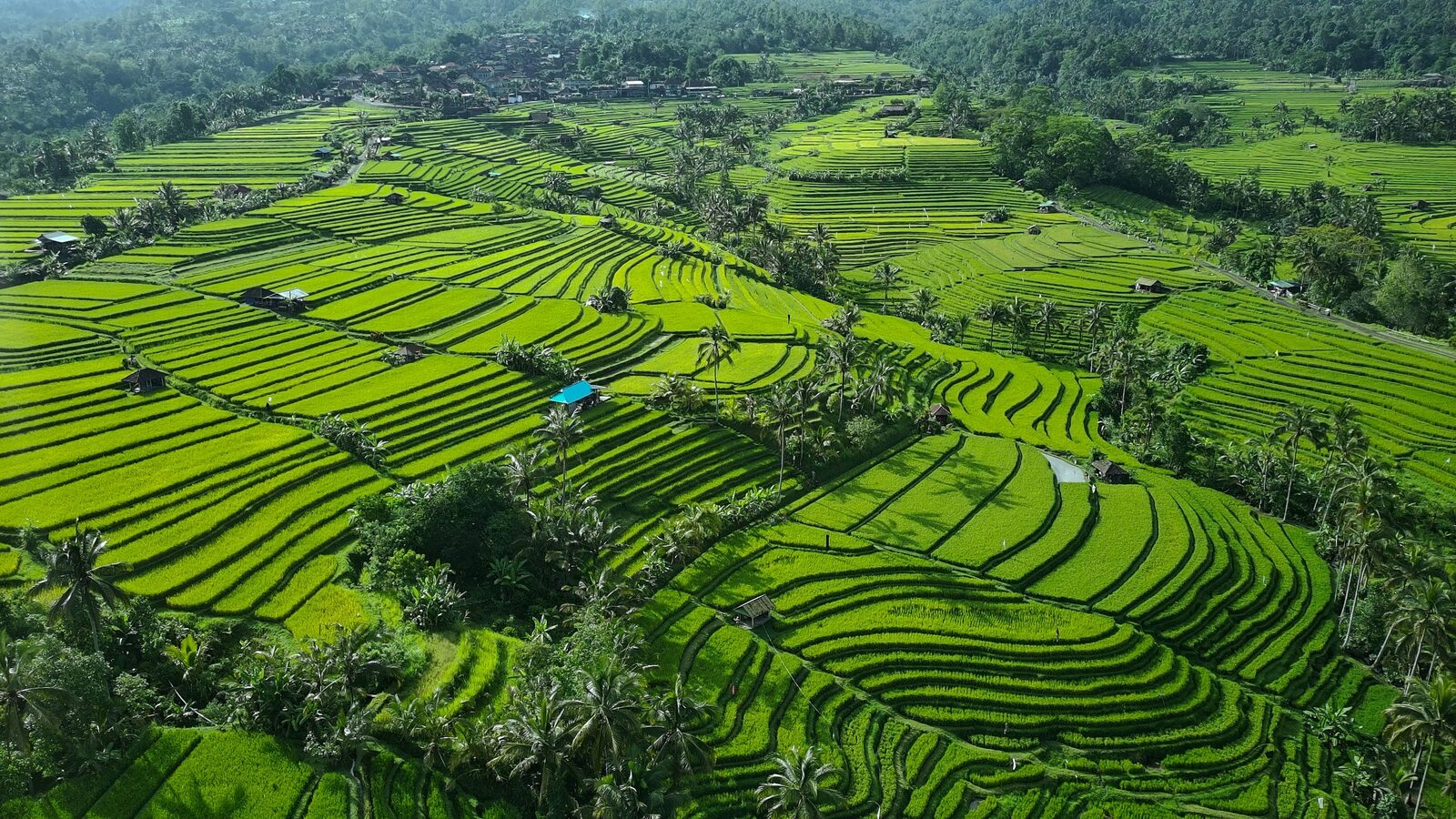
Walk or scooter through the rice fields around Pererenan at sunrise or late afternoon for the greener, quieter side of greater Canggu. You will get that classic Bali mix of palms, temples, and narrow lanes just minutes from the beach.
Off the Beaten Path
Live like a local. Special, lesser known experiences for adventurers who want real local flavor.
Warung Bu Mi Lunch
Eat at Warung Bu Mi on Jalan Pantai Batu Bolong for a very local nasi campur experience, choosing from trays of Balinese dishes. Go early at lunch when the selection is freshest and the crowd mixes locals, surfers, and in-the-know expats.
Pererenan Backlane Ride
Take a slow scooter ride through the small lanes behind Pererenan, away from the beach clubs and main roads. You will pass banjar halls, tiny shrines, rice plots, and local homes that show everyday village life.
Seseh Beach Escape
Continue northwest to Seseh Beach for a quieter stretch of coast with fewer crowds than Batu Bolong or Berawa. It is ideal for a low-key sunset walk and a glimpse of a more traditional coastal village atmosphere.
Love Anchor Night Market
Visit the evening market area at Love Anchor on Jalan Pantai Batu Bolong for local snacks, small vendors, and a more casual nighttime browse than the big venues. Look for satay, fresh juices, and handmade goods rather than polished boutique shopping.
Local Ceremony Etiquette
If you notice a temple procession or street ceremony in Berawa, Batu Mejan, or Pererenan, watch respectfully from the side and dress modestly. It is one of the most authentic ways to understand how daily offerings and Hindu ritual still shape Canggu life.
Pepito and Pasar Mix
Pair a stop at a neighborhood produce market with a run through Pepito for a realistic expat-in-Canggu errand circuit. Around Tibubeneng and Berawa, this gives you a feel for how residents shop between local fruit sellers, imported goods, and everyday staples.
Cost of Living
1-Bedroom Apartment (City Center)
$900/mo
3-Bedroom Apartment (City Center)
$2200/mo
Restaurant Meal
$10
Monthly Groceries
$250/mo
Monthly Transportation
$60/mo
Monthly Healthcare
$80/mo
Climate
Canggu has a tropical monsoon climate, warm and humid year-round. Expect a wetter rainy season and a sunnier dry season, with daytime temperatures typically around the low to high 80s Fahrenheit.
Best Time to Visit
May to September
Visa & Residency
Written for US citizens
For Americans, Indonesia commonly offers visa-free entry for short tourism visits in some periods, but policies can change, so check current rules before travel. A Visa on Arrival is widely used for tourism and can typically be extended once for a total stay of up to 60 days. For longer stays, Americans usually look at social, business, retirement, second home, or limited stay permit options through sponsors or agents. Indonesia does not currently have a simple standalone digital nomad visa specifically for remote workers in the way some countries do.
These notes assume a US passport. If you hold a different nationality, your visa options and timelines may vary. Always confirm current rules with the official embassy or consulate before you commit.
Safety
Canggu is generally safe, but petty theft, bag snatching, scooter accidents, and villa break-ins do occur. Use ride apps or a trusted scooter rental, avoid leaving valuables unattended, and be cautious on poorly lit roads at night.
Healthcare
Basic and moderate private care is available in Bali, including clinics around the Canggu, Seminyak, and Denpasar areas, but complex cases are often referred to larger hospitals in Denpasar or medical evacuation to Singapore. Comprehensive health insurance with evacuation coverage is strongly recommended.
Culture & Lifestyle
Culture
Canggu is in predominantly Hindu Bali, so daily life includes temple ceremonies, offerings, and local customs that visitors should respect. The expat community is large and easy to enter, but long-term residents who learn some Indonesian and show cultural awareness usually integrate more smoothly.
Lifestyle
Daily life often revolves around remote work, beach time, fitness classes, brunch spots, and sunset socializing. It can feel relaxed and inspiring, though traffic congestion, noise from construction, and seasonal crowds are common trade-offs.
Language
Indonesian, Balinese, English is common in expat areas
Currency
Indonesian Rupiah (IDR)
Timezone
WITA (UTC+8)
Community Discussions
Canggu vs Chiang Mai for a three month base?
I can work from anywhere for the next quarter and I am deciding between Canggu and Chiang Mai. Canggu has the beach and the scene, Chiang Mai has the low costs and the calmer pace. I care most about a reliable internet setup, a real community, and not burning out on scooter traffic. Which would you pick right now and why?
Canggu is more fun but the traffic and construction have gotten heavy, so pick your neighborhood carefully. Chiang Mai wins on cost, calm and getting real work done.
If community and focus matter more than nightlife, Chiang Mai. If you want surf and social energy and will accept the chaos, Canggu.