
Cairo
 Egypt
Egypt
Ancient wonders, sleepless streets, modern ambition
Overview
Cairo is Egypt’s biggest city and the country’s undisputed center of business, culture, media, and daily life. It is a vast, intense metropolis on the Nile where medieval mosques, Belle Epoque downtown buildings, and fast-growing suburbs all exist side by side. For expats, Cairo offers the best mix of jobs, international schools, healthcare, coworking options, and flight connections. It can feel chaotic at first, but few cities in the region match its energy, history, and depth.
Why Expats Love It
Expats and digital nomads choose Cairo because it has the strongest infrastructure for foreign residents in Egypt, especially in neighborhoods like Zamalek, Maadi, New Cairo, and Sheikh Zayed. Daily costs are still relatively low by US standards, and the city gives easy access to world-class antiquities, a huge food scene, and a large international community.
Must Dos
The essential, top gem experiences for the full tourist experience.
Pyramids of Giza
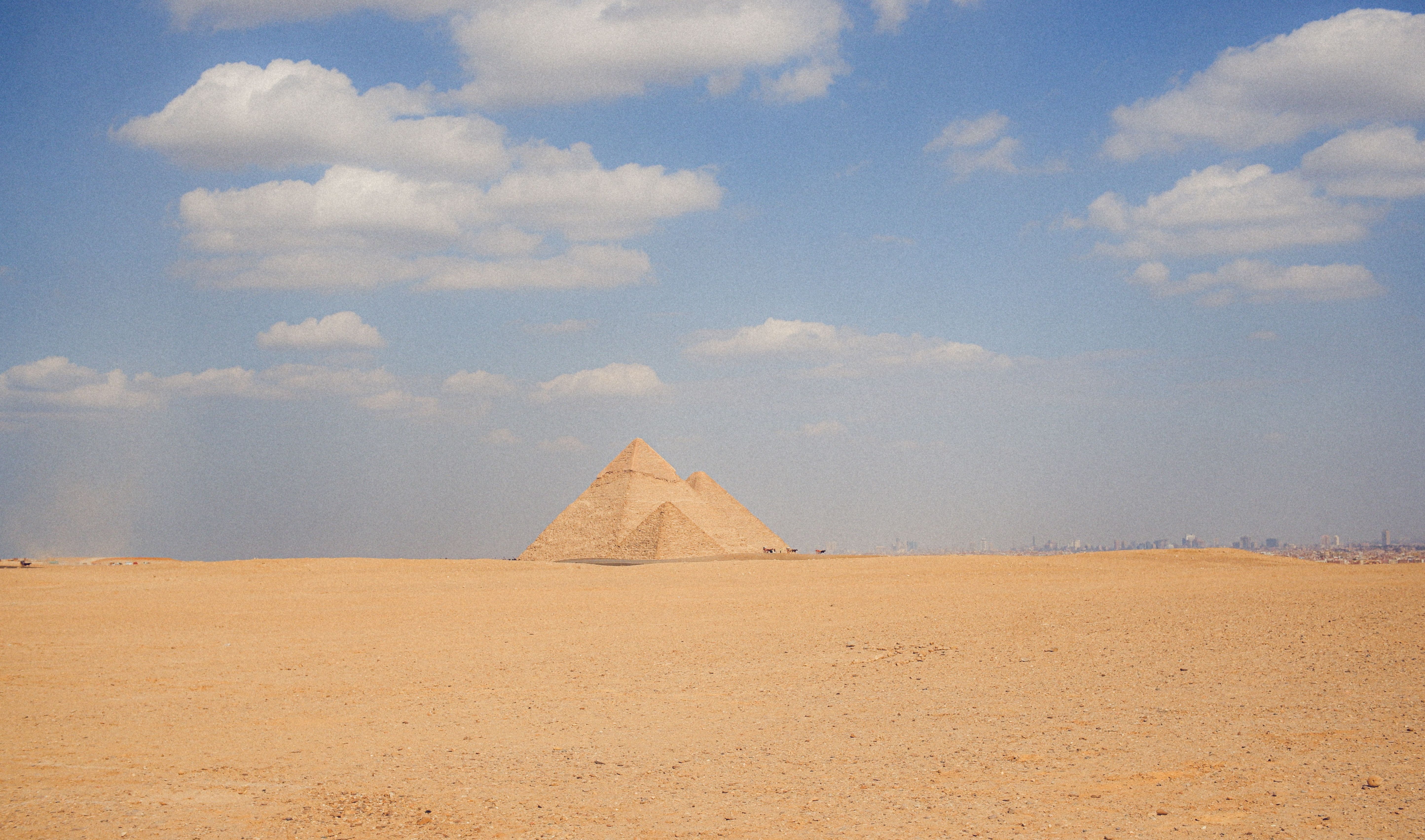
Go early to see the Great Pyramid, the Pyramid of Khafre, and the Sphinx before crowds and heat build. Add the nearby Grand Egyptian Museum if open sections match your dates.
Islamic Cairo Walk
Wander Al-Muizz Street and step into historic complexes like Qalawun, Al-Hakim, and Sultan Barquq. Finish at Khan El Khalili with mint tea at El Fishawy.
Egyptian Museum Stop
Visit the Egyptian Museum in Tahrir Square for royal mummies, colossal statues, and a dense crash course in ancient Egypt. A guided visit helps make sense of the collection.
Nile Sunset Cruise
Take a sunset felucca or small boat ride from around Zamalek or Garden City. Seeing Cairo from the river gives relief from the traffic and a classic view of the skyline.
Coptic Cairo Circuit
Explore the Hanging Church, the Coptic Museum, and the lanes of Old Cairo around the Babylon Fortress area. It is one of the city’s oldest and most atmospheric quarters.
Citadel and Mosque
Visit the Citadel of Saladin for panoramic views and tour the Mosque of Muhammad Ali. Pair it with nearby Sultan Hassan and Al-Rifa'i for some of Cairo’s finest architecture.
Off the Beaten Path
Live like a local. Special, lesser known experiences for adventurers who want real local flavor.
Roda Island Corniche
Walk the quieter stretches near Manial and pause at local cafes overlooking the Nile. It feels far less polished than Zamalek and more like everyday Cairo.
Fustat Pottery Village
Browse workshops in Old Cairo where ceramic artisans still produce handmade tiles, bowls, and lamps. It is a great place to buy something functional and locally made.
Wikalat al Ghuri Show
Catch a tanoura performance at Wikalat al Ghuri near Al-Azhar. The setting is historic, the music is live, and the crowd often includes more locals than package tourists.
Merryland and Korba
Spend an evening in Heliopolis around Korba, with its arcaded streets, old villas, bakeries, and cafes. This area shows a different, more nostalgic side of Cairo life.
Zabbaleen Viewpoint
Head to Mokattam and visit the Cave Church area for a striking look at an unusual part of the city. Go with local guidance and cultural sensitivity, as this is a living community, not a theme park.
Maadi Side Streets
Skip the main drags and wander leafy Degla and Sarayat streets lined with low-rise villas, bookstores, and neighborhood cafes. It is one of the easiest places in Cairo to imagine living long term.
Cost of Living
1-Bedroom Apartment (City Center)
$550/mo
3-Bedroom Apartment (City Center)
$950/mo
Restaurant Meal
$12
Monthly Groceries
$180/mo
Monthly Transportation
$8/mo
Monthly Healthcare
$90/mo
Climate
Cairo has a hot desert climate with long, dry summers and mild winters. Summer days from June through September are intensely hot, while spring can bring dusty khamsin winds.
Best Time to Visit
October to April
Visa & Residency
Written for US citizens
US passport holders can usually enter Egypt with a tourist visa, often available as an e-visa or on arrival for short stays, subject to current rules and port of entry. For longer stays, many expats use residency tied to work, study, property, or family status, and the process usually requires local paperwork and renewals. Rules can change, so check the Egyptian consulate or official e-visa portal before travel.
These notes assume a US passport. If you hold a different nationality, your visa options and timelines may vary. Always confirm current rules with the official embassy or consulate before you commit.
Safety
Cairo is generally manageable for expats who use common urban precautions, especially in established neighborhoods and when using vetted transport. Traffic is the biggest everyday hazard, and travelers should stay updated on US government advisories, avoid demonstrations, and be more cautious in isolated areas and at night.
Healthcare
Private hospitals and clinics in Cairo can be quite good, especially for routine and specialist care, and many expats use providers in Zamalek, Maadi, New Cairo, and Dokki. Public facilities are more variable, so comprehensive private insurance and access to a reputable private hospital are strongly recommended.
Culture & Lifestyle
Culture
Cairo is socially conservative compared with most US cities, so modest dress and respectful behavior are appreciated, especially in mosques and traditional neighborhoods. Hospitality is a major part of daily life, and learning a little Egyptian Arabic goes a long way.
Lifestyle
Life in Cairo can be exhilarating and exhausting in equal measure, with late nights, heavy traffic, strong cafe culture, and endless cultural options. Many expats build their routines around walkable pockets such as Zamalek or Maadi, then use ride-hailing apps to navigate the wider city.
Language
Arabic, Egyptian Arabic widely spoken, English common in expat and business areas
Currency
Egyptian Pound (EGP)
Timezone
EET (UTC+2)