
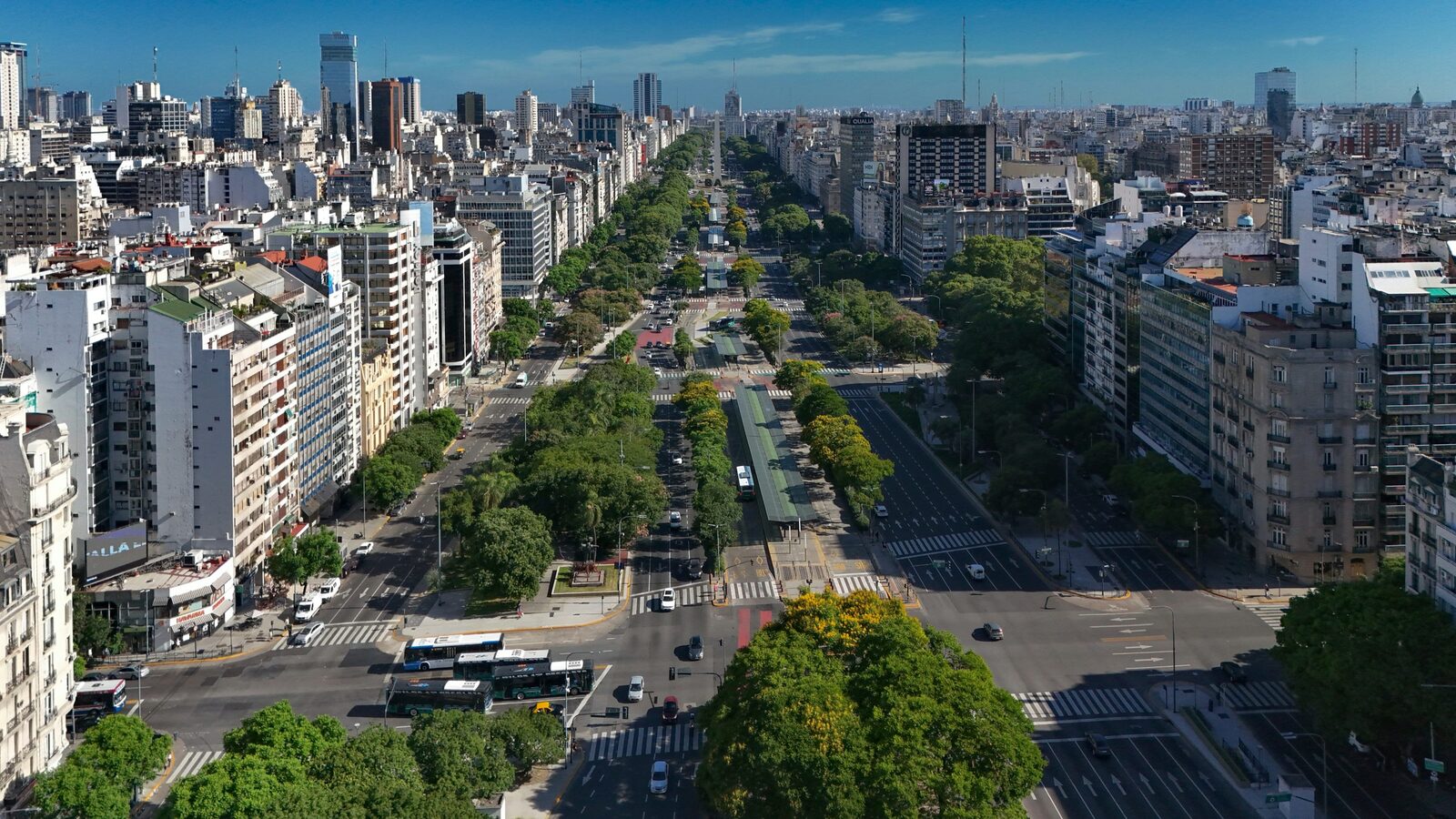
Buenos Aires
 Argentina
Argentina’s cosmopolitan capital, with European flair, late nights, and strong value for remote workers
Overview
Buenos Aires is a large, energetic capital known for its elegant architecture, café culture, bookstores, nightlife, and deep love of food, football, and the arts. For expats and digital nomads, it offers a big-city lifestyle at costs that are often far lower than major US and European capitals, especially when earning in dollars. Neighborhoods such as Palermo, Recoleta, Belgrano, and San Telmo each offer distinct personalities, from leafy residential streets to trendy coworking hubs. The city also has a strong cultural identity, reliable private healthcare, and an active international community.
Why Expats Love It
Expats love the lower cost of living relative to many global capitals, vibrant café and restaurant scenes, walkable neighborhoods, and rich cultural life. Digital nomads are also drawn by solid coworking options, good private healthcare, and the ability to live well on a moderate remote income.
Must Dos
The essential, top gem experiences for the full tourist experience.
Plaza de Mayo Circuit
Stand in Buenos Aires' political heart between the Casa Rosada, Cabildo, and Metropolitan Cathedral. Go on a weekday morning to catch the changing rhythm of protests, office crowds, and the historic square at its most alive.
Recoleta Cemetery Walk
Wander the maze of ornate mausoleums in Cementerio de la Recoleta, including Eva Peron's tomb. Pair it with a coffee on nearby Junin or Alvear and a stroll past the Facultad de Derecho and Floralis Generica.
San Telmo Sunday Fair
Spend Sunday on Defensa Street for the Feria de San Telmo, where antiques, street performers, and food stalls fill the old cobblestone blocks. Duck into Mercado de San Telmo for choripan, empanadas, or a vermouth break.
La Boca and Caminito
See the brightly painted conventillos of Caminito in La Boca, then walk to the outside of La Bombonera to feel Boca Juniors territory. Go by day, stick to the busy streets, and look for fileteado signs and tango on the sidewalks.
Teatro Colon Tour
Book a guided visit or performance at Teatro Colon, one of the world's great opera houses. The interiors, especially the horseshoe hall and golden salon, are as much the draw as the acoustics.
Tango Night in Almagro
Skip the tourist dinner show and go to a real milonga such as La Catedral Club in Almagro or Salon Canning in Palermo. Even if you do not dance, watching portenos move through tandas and cortinas is pure Buenos Aires.
Off the Beaten Path
Live like a local. Special, lesser known experiences for adventurers who want real local flavor.
Parque Los Andes Mate
Join locals in Parque Los Andes, Chacarita, especially on weekend afternoons when groups sprawl on the grass with mate and facturas. Grab pastries from a nearby bakery and settle in under the jacarandas when they bloom.
Mercado de Belgrano Lunch
Eat where neighbors shop at Mercado de Belgrano on Juramento, a traditional covered market with butchers, produce stands, and simple lunch counters. It is a great place for a milanesa sandwich, fresh pasta, or a quick cortado without tourist prices.
Bodegon Night in Boedo
Have dinner at a classic bodegon in Boedo, such as El Obrero in nearby La Boca or a no-frills parrilla around Avenida Boedo, for giant portions and old-school service. Order tortilla de papas, rabas, or a fugazzeta pizza and linger late like a local family.
Barrancas de Belgrano Evening
Walk the leafy paths of Barrancas de Belgrano at dusk, then catch the informal music and tango atmosphere around the park and the nearby Chinatown area on Arribenos. It feels residential, relaxed, and very different from central Buenos Aires.
Costanera Sur Bike Ride
Rent a bike and ride through the Reserva Ecologica Costanera Sur, where wetlands, birds, and river views sit just behind Puerto Madero. On the way out, join the line at a carrito on Avenida Costanera for a choripan loaded with chimichurri.
Villa Crespo Food Crawl
Explore Villa Crespo beyond Palermo, stopping for Armenian flavors on and around Armenia, pizza, vermouth, and late coffee in the side streets near Corrientes and Scalabrini Ortiz. The neighborhood mixes old Jewish and immigrant roots with one of the city's best low-key dining scenes.
Cost of Living
1-Bedroom Apartment (City Center)
$500/mo
3-Bedroom Apartment (City Center)
$950/mo
Restaurant Meal
$15
Monthly Groceries
$220/mo
Monthly Transportation
$20/mo
Monthly Healthcare
$70/mo
Climate
Buenos Aires has a humid subtropical climate, with hot, humid summers and mild winters. Spring and fall are usually the most comfortable, with pleasant temperatures and less humidity.
Best Time to Visit
March to May, September to November
Visa & Residency
Written for US citizens
US citizens can typically enter Argentina as tourists for up to 90 days, with possible extension options through immigration. Argentina has also launched a digital nomad visa framework for remote workers, but requirements and processing can change, so applicants should verify current rules with Argentine consular or immigration sources before relying on it for long stays.
These notes assume a US passport. If you hold a different nationality, your visa options and timelines may vary. Always confirm current rules with the official embassy or consulate before you commit.
Safety
Buenos Aires is manageable for most expats, but petty theft, phone snatching, and bag theft are common, especially in crowded areas, public transit, and tourist zones. Use normal big-city precautions, avoid displaying valuables, and be extra careful at night in unfamiliar areas.
Healthcare
Private healthcare in Buenos Aires is generally good to very good, with respected clinics, specialists, and shorter wait times than the public system. Many expats use private insurance or pay out of pocket for routine care, which is often affordable by US standards.
Culture & Lifestyle
Culture
Locals are typically social, expressive, and relationship-oriented, and meals often start late compared with US norms. Learning some Spanish helps significantly, since English is not as widely used in daily life outside more international circles.
Lifestyle
Daily life often centers on cafés, long dinners, neighborhood walks, parks, and a late-night social rhythm. Many expats enjoy a mix of urban convenience, strong cultural programming, and weekend escapes to nearby towns, river areas, or Uruguay.
Language
Spanish
Currency
Argentine Peso (ARS)
Timezone
ART (UTC-3)
Community Discussions
Paying rent and moving money in Buenos Aires
The money situation in Argentina confuses everyone at first. Between the official rate and the parallel blue rate, bringing cash, and services that let you get a better exchange, how are you actually paying for a monthly rental and daily life right now? I do not want to lose a chunk of my budget to the wrong exchange method.
Rules and rates shift constantly here, so ask in a current local group before you rely on any one method. What was true six months ago may not be true today.
Landlords who cater to foreigners often quote in dollars and expect monthly payment. Confirm exactly how and in what currency you pay before signing anything.