
Budapest
 Hungary
Grand architecture, thermal baths, and affordable big-city life on the Danube.
Overview
Budapest combines elegant Austro-Hungarian architecture, lively cafe culture, and a fast-growing startup and remote work scene. The city is split by the Danube into hilly Buda and flatter, busier Pest, giving residents easy access to both historic neighborhoods and a dense urban core. Expats and digital nomads are drawn by lower living costs than Western Europe, reliable public transit, and a central location for travel across the continent. English is common in younger and professional circles, especially in central districts and coworking spaces.
Why Expats Love It
Budapest offers good value for Europe, beautiful neighborhoods, thermal baths, nightlife, and strong public transit. Many expats also like the walkability, cafe scene, and easy weekend trips to Vienna, Bratislava, and the Balkans.
Must Dos
The essential, top gem experiences for the full tourist experience.
Parliament and Danube Promenade
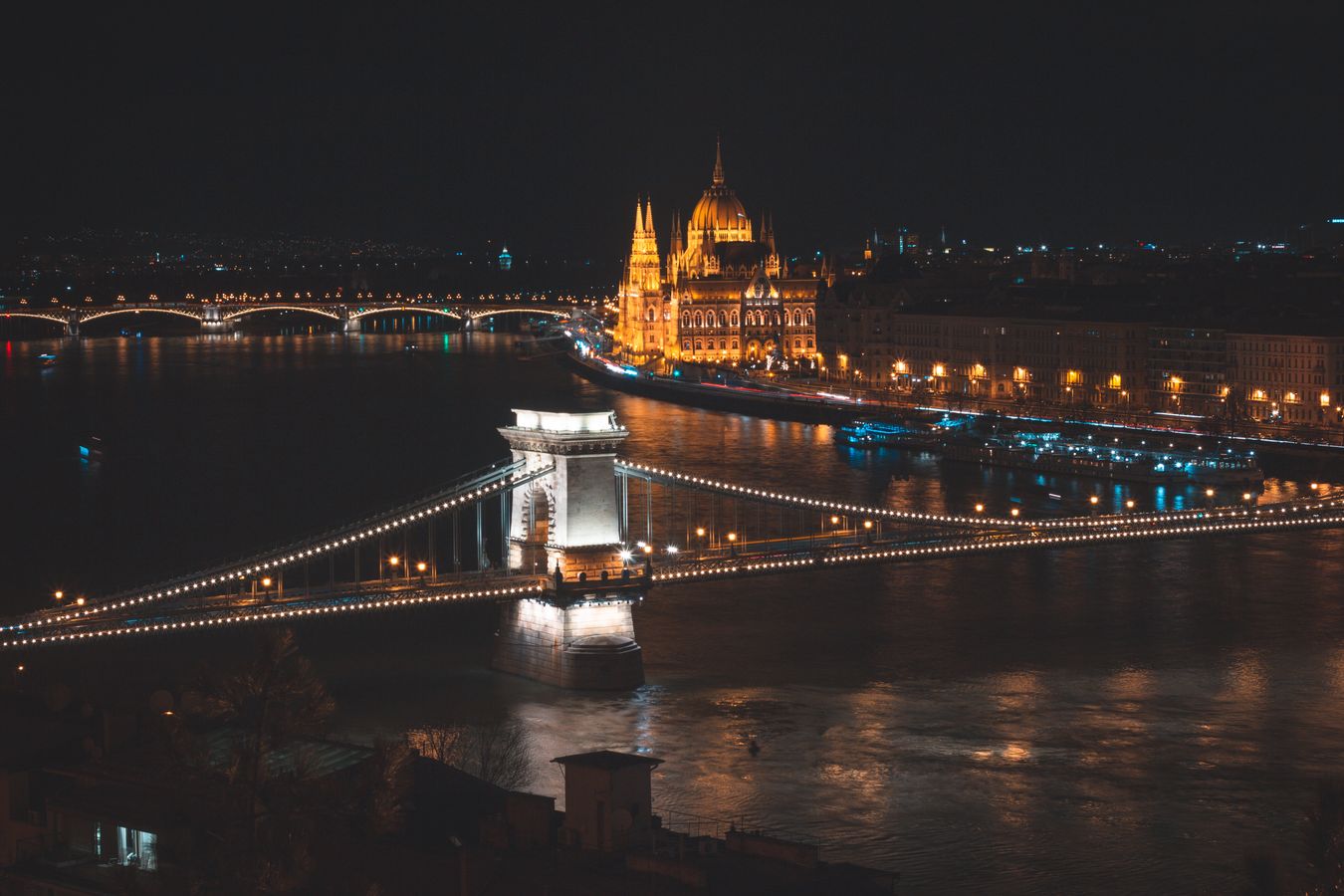
Walk the Pest embankment from the Shoes on the Danube Bank memorial to Kossuth Lajos Square for Budapest’s signature riverfront view, with the Hungarian Parliament glowing over the water. Come again after dark when the building is illuminated and the Chain Bridge lights up the skyline.
Buda Castle and Castle Hill
Ride the Budavari Siklo or walk up through the Castle District to explore Buda Castle, cobbled streets, and panoramic terraces over the Danube. Do not miss wandering around Szent Gyorgy Street and the historic courtyards around the palace complex.
Fisherman’s Bastion Sunrise
Head to Halaszbastya early for the classic postcard view over Parliament, the Danube, and Pest before the biggest crowds arrive. Pair it with nearby Matthias Church in the heart of the old Buda walls.
Soak at Szechenyi Baths
Spend a few hours at Szechenyi Gyogyfurdo in City Park, moving between steaming outdoor pools, thermal baths, and saunas in one of Europe’s grandest bath complexes. It is one of the most Budapest experiences you can have, especially on a cool day.
St. Stephen’s Basilica Dome
Visit Szent Istvan Bazilika, then take the lift or stairs to the dome lookout for a 360 degree view across central Budapest. The surrounding streets of Lipotvaros are also ideal for coffee, cake, and evening strolls.
Great Market Hall Feast
Browse the ornate Nagyvasarcsarnok at Fovam ter for paprika, salami, Tokaji, and upstairs plates of langos or gulyas. It is touristy but still a great first stop to taste the flavors and rhythms of Budapest.
Off the Beaten Path
Live like a local. Special, lesser known experiences for adventurers who want real local flavor.
Roman Shore at Romai-part
Take the H5 HEV toward the north and spend an afternoon at Romai-part, a laid-back Danube stretch where locals eat hekk, drink froccs, and sit under riverside trees. In summer, the atmosphere feels more beach town than capital city.
Explore Ujlipotvaros Cafes
Wander Pozsonyi ut and Szent Istvan park in Ujlipotvaros, a handsome residential area loved for bakeries, bookshops, and relaxed neighborhood life. Stop for coffee and cake at a local cafe, then walk the quieter Danube section toward Margaret Bridge.
Fehervari Street Market
Skip the central market and go to Fehervari uti Vasarcsarnok in District XI for a more local shopping scene with produce, pickles, sausages, and weekday lunch counters. It is a good place to see everyday Budapest beyond the postcard center.
Turkish Bath at Veli Bej
Book a session at Veli Bej furdo, a beautifully restored Ottoman era bath near the Buda side of Margaret Bridge, with a calmer and more intimate feel than the famous mega baths. Its domed thermal pool is one of the city’s quiet treasures.
Bartok Bela Boulevard Crawl
Spend an evening along Bartok Bela ut in District XI, where galleries, wine bars, and design minded cafes have turned the street into one of Budapest’s most interesting local hangouts. Gellert Square to Moricz Zsigmond korter is the best stretch to explore on foot.
Kobanya Cellar District Tour
Venture to Kobanya for a guided look at the vast underground cellar system and the old Dreher brewery area, a side of Budapest most visitors never see. The district reveals the city’s industrial history, beer heritage, and a surprisingly labyrinthine underworld.
Cost of Living
1-Bedroom Apartment (City Center)
$700/mo
3-Bedroom Apartment (City Center)
$1300/mo
Restaurant Meal
$14
Monthly Groceries
$250/mo
Monthly Transportation
$25/mo
Monthly Healthcare
$80/mo
Climate
Budapest has a humid continental climate with four distinct seasons. Summers are warm to hot, winters are cold and gray, and spring and early fall are usually the most comfortable.
Best Time to Visit
April to June, September to October
Visa & Residency
Written for US citizens
Americans can enter Hungary and the Schengen Area visa-free for up to 90 days within any 180-day period. For longer stays, Hungary offers a White Card residence permit for remote workers who work for a non-Hungarian employer or own a foreign company, subject to income and other requirements. Other residence permits exist for work, study, and family reasons.
These notes assume a US passport. If you hold a different nationality, your visa options and timelines may vary. Always confirm current rules with the official embassy or consulate before you commit.
Safety
Budapest is generally safe for daily life, but pickpocketing and tourist scams can happen in busy transit hubs, nightlife areas, and around major attractions. Use normal big-city precautions, especially late at night in party districts.
Healthcare
Private clinics in Budapest are popular with expats because they offer shorter waits and more English-speaking staff. Public care exists, but navigation can be harder without Hungarian and wait times may be longer.
Culture & Lifestyle
Culture
Hungarians can seem reserved at first, but relationships often warm up once trust is built. Learning a few basic Hungarian phrases is appreciated, even though many expats manage daily life in English in central parts of the city.
Lifestyle
Daily life in Budapest can be relaxed and social, with strong coffee culture, markets, riverside walks, and a late-night dining and bar scene. Many residents use trams and the metro instead of cars, and weekends often include baths, hiking in the Buda Hills, or trips around Central Europe.
Language
Hungarian, English is widely used in central areas and among younger residents
Currency
Hungarian Forint (HUF)
Timezone
CET (UTC+1), CEST (UTC+2) in summer
Community Discussions
Healthcare and insurance as an early retiree in Hungary
I am retiring early and considering Budapest as a base. I am trying to understand how healthcare works for a non-EU resident: do you rely fully on private insurance, pay into the public system, or a mix? The private clinics look affordable and modern, but I want to know how it works for something serious, not just a check-up.
Most long-term foreigners I know use private insurance plus out-of-pocket at the private clinics for routine care, which is very reasonable. For anything major, make sure your policy has proper hospital and evacuation cover.
Budapest was a great value base for me. The thermal baths are an underrated perk for anyone with an aging back.