
Berlin
 Germany
Creative, livable, and globally connected, Berlin blends startup energy with European culture at relatively moderate big-city costs.
Overview
Berlin is Germany's capital and one of Europe's most popular cities for expats, freelancers, and remote workers. It offers a rare mix of major-city infrastructure, a strong international community, vibrant arts and nightlife, and comparatively reasonable living costs for a Western European capital. Neighborhoods vary widely, from polished Charlottenburg to edgy Neukolln and family-friendly Prenzlauer Berg, giving newcomers real choice in lifestyle. Strong public transit, abundant green space, and a high quality of life make it especially appealing for long-term stays.
Why Expats Love It
Expats are drawn to Berlin for its large English-speaking international scene, thriving tech and creative sectors, excellent transit, and distinctive neighborhood culture. Many also value the city's progressive atmosphere, parks and lakes, and easier day-to-day costs than London, Paris, or Amsterdam.
Must Dos
The essential, top gem experiences for the full tourist experience.
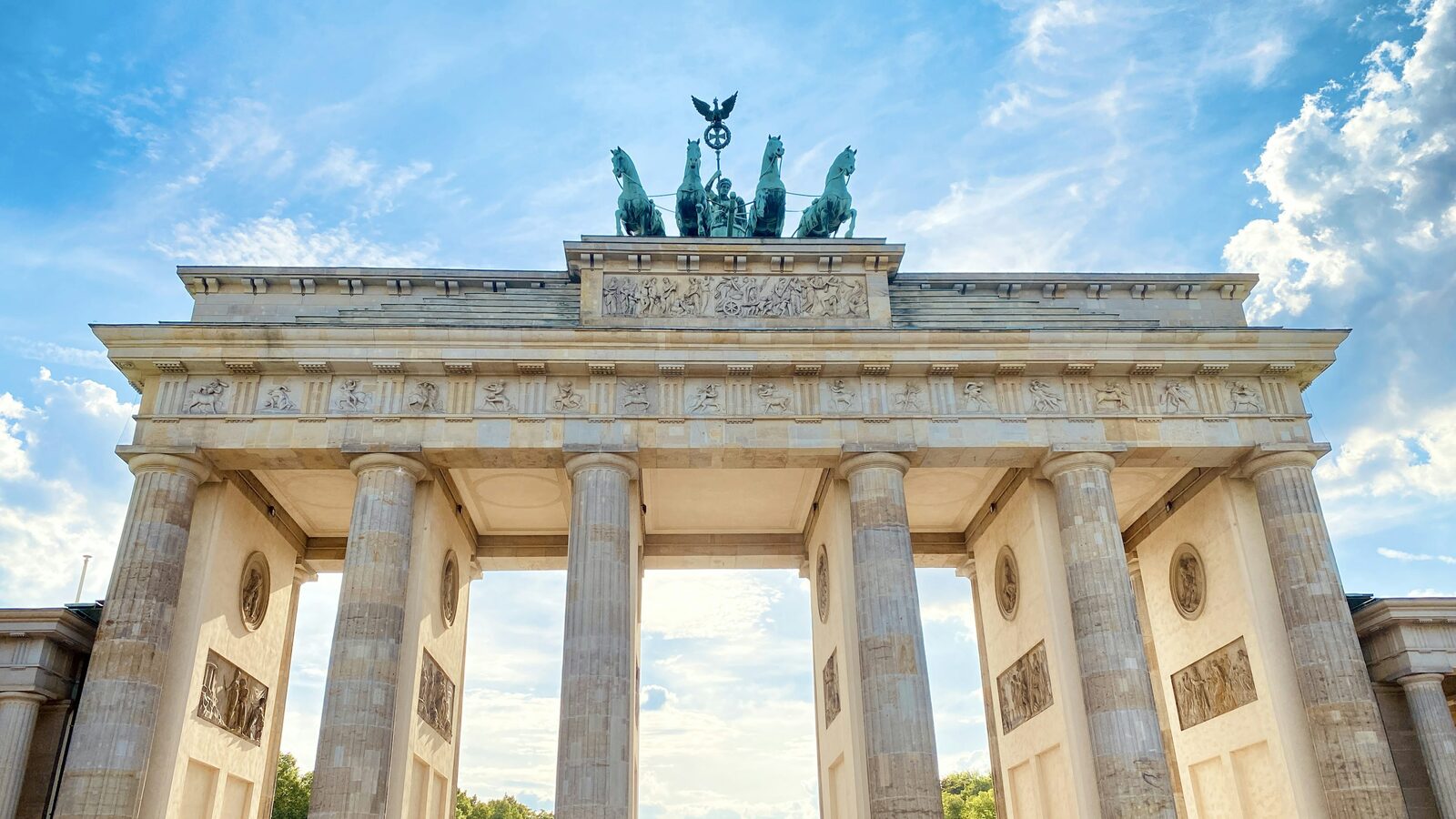
Brandenburg Gate at Dusk
See Berlin’s most famous symbol glow at sunset, then walk west through Pariser Platz into the Tiergarten. It is the classic first-night Berlin moment, especially when the gate and nearby Reichstag are lit up.
Reichstag Dome Visit
Book the free glass dome in advance and go up for panoramic views over Mitte, the Spree, and the government quarter. Norman Foster’s design and the mirrored cone make it one of the city’s signature experiences.
Museum Island Highlights
Spend a few hours on Museumsinsel visiting at least the Pergamon Panorama, Neues Museum, or Alte Nationalgalerie. The setting on the Spree, with Berlin Cathedral nearby, is as iconic as the collections.
East Side Gallery Walk
Walk the longest preserved stretch of the Berlin Wall between Ostbahnhof and Oberbaumbrücke, covered in large-scale murals. It is the city’s clearest mix of Cold War history and contemporary street culture.
Tempelhofer Feld Ride
Rent a bike or simply stroll the old runways of Tempelhof Airport, now one of Berlin’s most beloved public spaces. Locals picnic, skate, and kite-surf on land here, and the scale of the former airfield is unforgettable.
Checkpoint Charlie to Topography
Skip the cheesy photo ops and use Checkpoint Charlie as the starting point for a deeper Cold War walk. Continue to Topography of Terror on Niederkirchnerstraße for one of Berlin’s most important history exhibits, plus a preserved section of the Wall.
Off the Beaten Path
Live like a local. Special, lesser known experiences for adventurers who want real local flavor.
Thai Park Feast
On warm weekends, Preußenpark in Wilmersdorf turns into Berlin’s beloved informal Thai food gathering. Bring cash and eat papaya salad, grilled skewers, and coconut desserts on the grass with locals.
Canal Sunday in Neukölln
Join Berliners along the Landwehrkanal between Maybachufer and Paul-Lincke-Ufer for a lazy afternoon walk. Stop at the Turkish Market on Tuesday or Friday for gözleme, olives, fabrics, and excellent people-watching.
Rixdorf Village Wander
Explore the old village core around Richardplatz in Neukölln, where cobbled lanes and low historic houses feel nothing like central Berlin. Stop at Kiez spots nearby for coffee, or visit during the charming Christmas market if you are in town then.
RAW and Boxhagener Kiez
Go beyond the clubs and spend time in Friedrichshain’s local streets around Boxhagener Platz, Simon-Dach-Straße, and the RAW area. Sunday flea market browsing, späti beers, and late brunch here show everyday east Berlin neighborhood life.
Pfaueninsel Day Trip
Take the S-Bahn and ferry out to Pfaueninsel in Wannsee for a quiet escape of meadows, peacocks, and a small fairytale castle. It feels worlds away from Mitte and is ideal for a half-day picnic and walk.
Kantstraße Noodle Crawl
Experience Berlin’s deep Asian food scene along Kantstraße in Charlottenburg, especially around Savignyplatz and Wilmersdorfer Straße. Do a casual crawl for hand-pulled noodles, dumplings, or Taiwanese snacks, then finish with a late drink in old West Berlin.
Cost of Living
1-Bedroom Apartment (City Center)
$1500/mo
3-Bedroom Apartment (City Center)
$2800/mo
Restaurant Meal
$20
Monthly Groceries
$300/mo
Monthly Transportation
$58/mo
Climate
Berlin has a temperate oceanic to continental climate, with warm summers and cold, gray winters. Summer highs are often comfortable rather than extreme, while winter brings short days, chilly temperatures, and occasional snow.
Best Time to Visit
May to September
Visa & Residency
Written for US citizens
Americans can enter Germany and the Schengen Area visa-free for up to 90 days within any 180-day period for tourism or business visits, but this does not permit long-term residence. For longer stays, common routes include a residence permit for freelancers or self-employment, a work-based residence permit including the EU Blue Card for eligible skilled roles, or study and family reunification permits. Germany does not currently offer a dedicated national digital nomad visa.
These notes assume a US passport. If you hold a different nationality, your visa options and timelines may vary. Always confirm current rules with the official embassy or consulate before you commit.
Safety
Berlin is generally safe by big-city standards, but petty theft, bike theft, and pickpocketing can occur, especially on public transit, at stations, and in nightlife areas. Use normal urban precautions late at night in busy entertainment districts.
Healthcare
Germany has an excellent healthcare system with strong public and private options, and Berlin has many well-regarded hospitals and specialists. Long-stay residents typically need approved health insurance for their residence permit, and private insurance is common for some freelancers and higher earners.
Culture & Lifestyle
Culture
Berlin values direct communication, punctuality in formal settings, and respect for rules, though socially it often feels more relaxed and alternative than many German cities. The international population is large, but learning some German helps with bureaucracy, housing, and deeper local integration.
Lifestyle
Daily life in Berlin is neighborhood-driven, with cafes, weekly markets, parks, lakes, clubs, and cultural venues shaping routines year-round. Many residents bike or use transit, work flexibly, and spend weekends exploring green spaces, galleries, flea markets, and nearby destinations in Brandenburg.
Language
German, with English widely used in many international workplaces and central districts
Currency
Euro (EUR)
Timezone
CET (UTC+1), CEST (UTC+2) in summer