
Bangkok
 Thailand
Southeast Asia's fast-paced capital, with world-class food, strong infrastructure, and relatively affordable big-city living.
Overview
Bangkok is a sprawling, energetic metropolis known for its street food, modern malls, historic temples, and round-the-clock urban life. For expats and digital nomads, it offers a rare mix of affordability, convenience, international amenities, and extensive flight connections across Asia. Neighborhoods like Sukhumvit, Ari, Sathorn, and Silom give newcomers distinct lifestyle options, from nightlife and coworking to quieter residential pockets. Strong private healthcare, plentiful serviced apartments, and a large foreign community make settling in relatively straightforward.
Why Expats Love It
Expats and nomads are drawn to Bangkok for its low everyday costs compared with major US cities, excellent food scene, reliable private hospitals, and huge range of housing from budget condos to luxury high-rises. The city also has strong cafe and coworking culture, easy regional travel, and enough international schools, shopping, and services to support long stays.
Must Dos
The essential, top gem experiences for the full tourist experience.
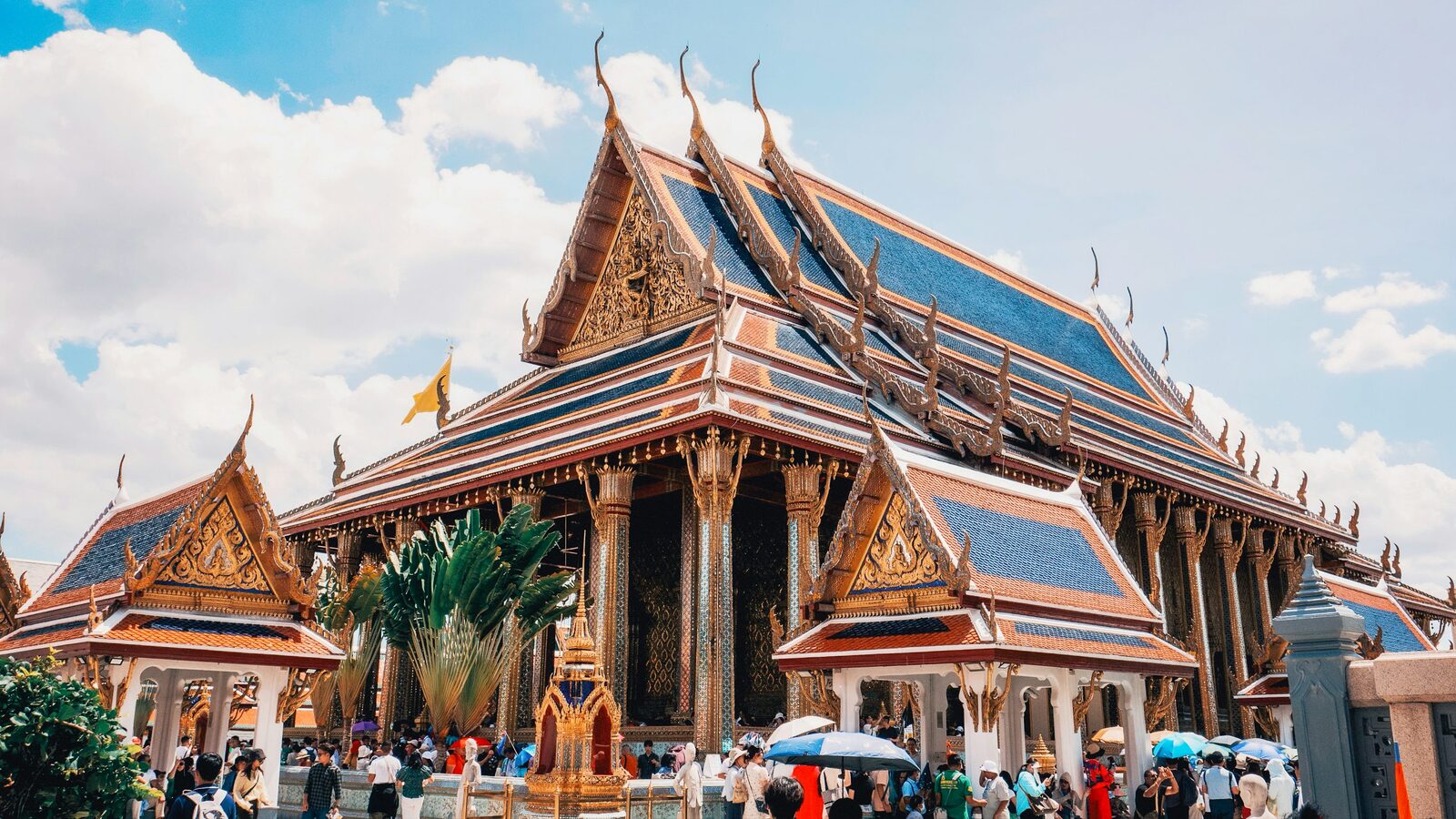
Grand Palace and Wat Phra Kaew
Start with Bangkok’s most iconic complex in Phra Nakhon, home to gilded halls, mural-lined galleries, and the Emerald Buddha. Go early, dress modestly, and pair it with a walk to nearby Sanam Luang and the old city lanes.
Wat Pho Reclining Buddha
See the enormous gold Reclining Buddha at Wat Pho, just south of the Grand Palace, then wander the courtyards of stupas and stone guardians. This is also one of the best places in Bangkok to try traditional Thai massage at the temple school.
Wat Arun at Sunset
Cross the Chao Phraya to Wat Arun in Bangkok Yai and climb the central prang for river views if it is open. The temple is especially striking in late afternoon, when the porcelain mosaics catch the warm light across the water.
Chao Phraya River Cruise
Ride the Chao Phraya Express Boat between Sathon Pier, Tha Tien, and Phra Arthit for the classic Bangkok river scene of temples, ferries, and old waterfront buildings. It is a practical local trip and one of the city’s signature views rolled into one.
Chatuchak Weekend Market
Dive into the vast Chatuchak Market near Mo Chit, where hundreds of lanes sell everything from vintage clothes and ceramics to coconut ice cream and grilled squid. It is crowded, chaotic, and essential for first-time visitors who want Bangkok at full volume.
Yaowarat Night Food Crawl
Spend an evening on Yaowarat Road in Chinatown, snacking through neon-lit streets packed with wok stations, seafood grills, and dessert stalls. Look for roast chestnuts, peppery kuay jab noodle soup, and toasted bread with pandan custard around the main road and side sois.
Off the Beaten Path
Live like a local. Special, lesser known experiences for adventurers who want real local flavor.
Talat Phlu Street Eats
Head to Talat Phlu in Thonburi for a local food crawl around the market lanes and near the railway tracks. This area is known for old-school noodle shops, braised pork rice, and famous sweets like khanom buang and soy milk stops.
Khlong Bang Luang Artist House
Explore the canal-side wooden community at Khlong Bang Luang in Phasi Charoen, where stilt houses, small galleries, and the Baan Silapin Artist House preserve an older Bangkok. Come by longtail boat or road, then linger for coffee by the khlong and a traditional puppet show if scheduled.
Wang Lang Market Lunch
Cross to Wang Lang Market near Siriraj Hospital for one of the city’s best casual eating districts that many tourists skip. Browse tight alleys for crispy pork rice, boat noodles, mango sticky rice, and cheap fashion, then stroll the riverfront.
Ban Bat Monk Bowl Village
Visit Ban Bat in Pom Prap Sattru Phai, one of the last communities still hand-making alms bowls for monks using traditional hammering techniques. It is a rare craft neighborhood in central Bangkok, tucked into small lanes not far from Wat Saket.
Pak Khlong Talat After Dark
Go to Pak Khlong Talat late at night or before dawn, when Bangkok’s great flower market is busiest with wholesalers and temple offerings. You will see mountains of orchids, jasmine garlands, and lotus buds moving through the old city under fluorescent lights.
Nang Loeng Market Morning
Spend a morning at Nang Loeng Market, one of Bangkok’s oldest land markets, in the Dusit area. The neighborhood feels residential and lived-in, with classic snack stalls, old shophouses, and traditional desserts like khanom mo kaeng and kanom krok.
Cost of Living
1-Bedroom Apartment (City Center)
$650/mo
3-Bedroom Apartment (City Center)
$1550/mo
Restaurant Meal
$15
Monthly Groceries
$250/mo
Monthly Transportation
$45/mo
Monthly Healthcare
$90/mo
Climate
Bangkok has a tropical savanna climate, hot and humid year-round. Expect a dry season, a very hot season, and a rainy monsoon period with heavy but often short downpours.
Best Time to Visit
November to February
Visa & Residency
Written for US citizens
For Americans, Thailand generally allows visa-exempt tourist entry for short stays, commonly 30 to 60 days depending on current policy and entry method, with possible extension through immigration. For longer stays, common routes include education visas, retirement visas for eligible older applicants, the Long-Term Resident visa for qualifying high earners, retirees, remote workers employed by well-established overseas companies, and the Destination Thailand Visa, which is aimed at remote workers and certain long-stay visitors. Rules and validity periods change, so confirm current requirements with Thai immigration or an official consulate before relocating.
These notes assume a US passport. If you hold a different nationality, your visa options and timelines may vary. Always confirm current rules with the official embassy or consulate before you commit.
Safety
Bangkok is generally safe for expats, but petty theft, nightlife scams, and traffic accidents are the main everyday risks. Use licensed taxis or ride-hailing apps, watch belongings in crowded markets and transit hubs, and be cautious when crossing streets or using motorbikes.
Healthcare
Bangkok is one of Asia's strongest medical hubs, with highly regarded private hospitals such as Bumrungrad, Samitivej, and Bangkok Hospital. Private care is widely used by expats and is affordable by US standards, but comprehensive health insurance is still strongly recommended.
Culture & Lifestyle
Culture
Thai culture places a high value on politeness, respect, and social harmony, so calm communication and basic etiquette go a long way. Learning a little Thai and understanding norms around temples, the monarchy, and saving face can make integration much smoother.
Lifestyle
Daily life can be as convenient or as intense as you want, with condos near BTS or MRT lines, endless dining options, late-night services, and easy weekend escapes to beaches or mountains. Many expats build routines around cafes, coworking spaces, fitness studios, shopping centers, and neighborhood markets while using transit to avoid the worst traffic.
Language
Thai, with English common in business, tourism, and many expat areas
Currency
Thai Baht (THB)
Timezone
ICT (UTC+7)
Community Discussions
Getting a local SIM and mobile banking as a foreigner
Just landed in Bangkok for a longer stay. The SIM part looks easy at the airport, but mobile banking as a foreigner seems trickier without a work permit. How are people paying rent, topping up transit and using the delivery and taxi apps without a local bank account? Is a foreigner friendly account realistic on a tourist or education visa?
SIM at the airport is fine but the shops in town give better long-stay deals. For banking, some branches open accounts for foreigners more readily than others, and having a longer visa and a condo lease helps a lot.
In the meantime a multi-currency card covers most apps and ATMs. I ran on that for two months before I got a local account sorted.