
Arusha
 Tanzania
Safari capital of Tanzania beneath Mount Meru's shadow
Overview
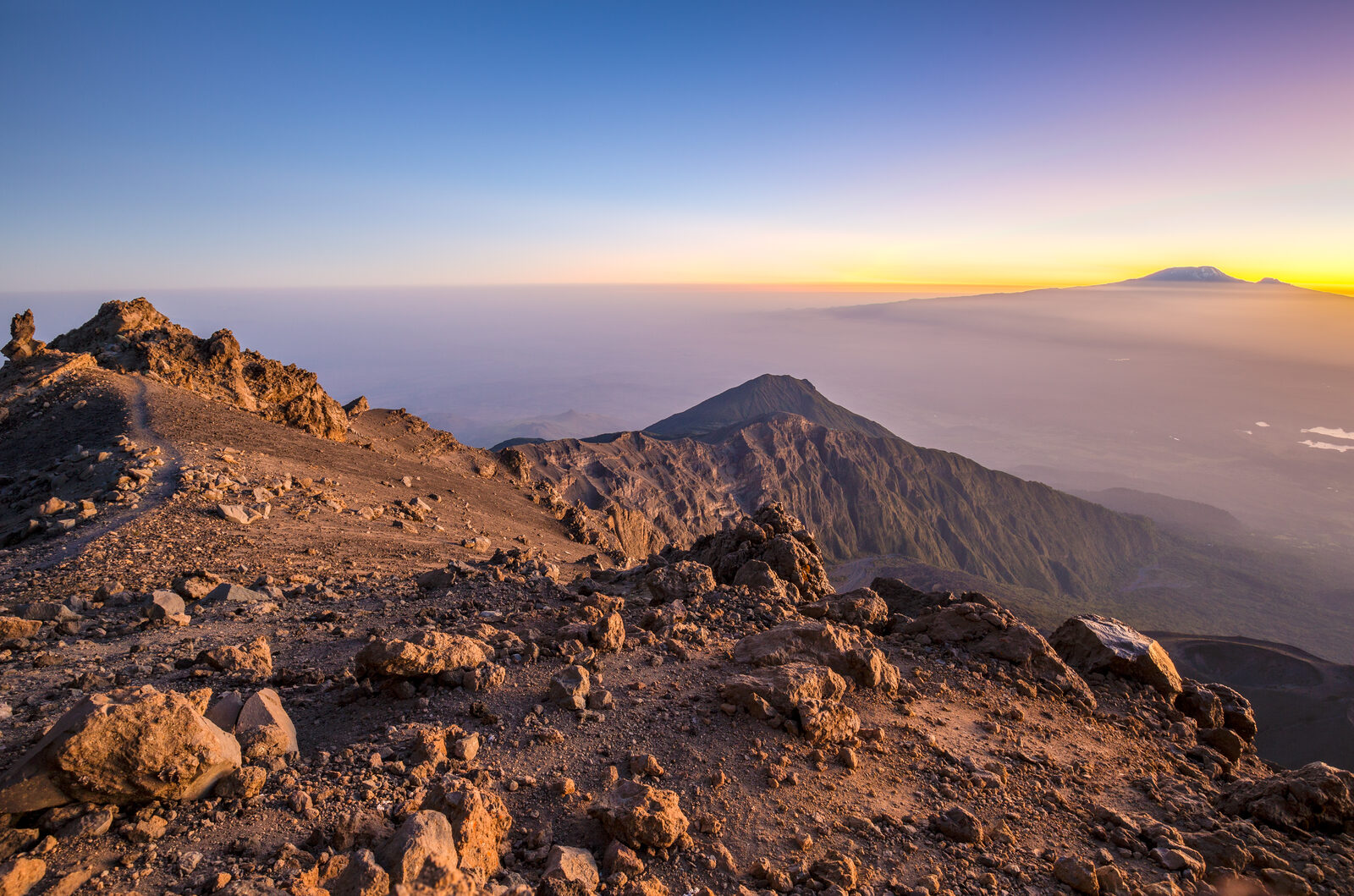
Arusha sits at 1400 metres on the slopes of Mount Meru, with Kilimanjaro visible on clear mornings and the Serengeti, Ngorongoro and Tarangire all within reach. It is the safari and diplomatic hub of northern Tanzania, home to the East African Community headquarters and a substantial international community of NGO staff, tour operators and researchers. The climate is temperate and green rather than hot, coffee grows on the surrounding hills, and life runs at a relaxed pace. It is a small city with a genuinely international outlook.
Why Expats Love It
World class wildlife on the doorstep, a mild highland climate, low costs and a tight international community.
Must Dos
The essential, top gem experiences for the full tourist experience.
Ngorongoro Crater
A collapsed caldera holding 25,000 large animals inside its walls, three hours west.
Serengeti National Park
The great migration and endless plains, reachable overland or by short flight.
Tarangire National Park
Baobab dotted savanna with the densest elephant population in the north.
Arusha National Park
Momella lakes, giraffe walking safaris and the Meru crater, forty minutes from town.
Maasai Market
Beadwork, kanga cloth and carvings, with hard bargaining expected.
Coffee Estate Tour
Picking, pulping and cupping on the Arabica farms on the slopes of Meru.
Off the Beaten Path
Live like a local. Special, lesser known experiences for adventurers who want real local flavor.
Mount Meru Climb
A tougher and emptier four day trek than Kilimanjaro, with an armed ranger and better views.
Lake Duluti
A forest crater lake for canoeing among cormorants, twenty minutes east.
Cultural Tourism at Ilkiding'a
A community run programme in a Waarusha village on the mountain slopes.
Shanga Workshop
Recycled glass and beadwork made by artisans with disabilities on a coffee estate.
Chemka Hot Springs
A turquoise spring fed pool under fig trees in the plains toward Moshi.
Old Boma and Natural History Museum
The German colonial fort telling Arusha's pre safari history.
Cost of Living
1-Bedroom Apartment (City Center)
$300/mo
3-Bedroom Apartment (City Center)
$700/mo
Restaurant Meal
$6
Monthly Groceries
$230/mo
Monthly Transportation
$45/mo
Monthly Healthcare
$80/mo
Climate
Tropical highland, mild year round with long rains in April and May and short rains in November
Best Time to Visit
June to October for dry weather and peak wildlife viewing
Visa & Residency
Written for US citizens
Most nationalities buy a visa on arrival or apply online for a single entry tourist visa valid 90 days. Work and residence permits are employer sponsored, and volunteers need a specific class of permit.
These notes assume a US passport. If you hold a different nationality, your visa options and timelines may vary. Always confirm current rules with the official embassy or consulate before you commit.
Safety
Petty theft, bag snatching and aggressive safari touts are common in the town centre. Malaria prophylaxis and yellow fever documentation matter here.
Healthcare
Arusha Lutheran Medical Centre and private clinics handle routine care and tropical disease well. Serious cases fly to Nairobi, so evacuation insurance is essential.
Culture & Lifestyle
Culture
Swahili greetings are important and rushing straight to business is considered rude. Maasai communities are a visible part of regional life and merit respectful engagement.
Lifestyle
Coffee on a garden terrace, mornings on the laptop, afternoon walks on the coffee estates. Weekends mean crater rim drives, Kilimanjaro foothills or the beaches of Zanzibar.
Language
Swahili and English, both widely used
Currency
Tanzanian Shilling (TZS)
Timezone
EAT (UTC+3)