Accra
 Ghana
Ghana
Atlantic energy with West African soul
Overview
Accra is Ghana’s capital and by far its main expat and digital nomad hub, stretching along the Gulf of Guinea with a mix of business districts, beach neighborhoods, markets, and creative spaces. It is fast-growing, friendly, and culturally confident, with pockets like Osu, Cantonments, Airport Residential, East Legon, and Labone drawing many foreigners. You get modern cafes, coworking options, lively nightlife, and easy access to Ghana’s art, music, and food scenes. While traffic and infrastructure can be frustrating, Accra rewards people who want warmth, connection, and a softer landing into West Africa.
Why Expats Love It
Expats choose Accra because it offers the best combination in Ghana of international services, social life, private healthcare, and housing options in neighborhoods where it is easy to settle in. Digital nomads like the city’s English-speaking environment, growing café and coworking culture, and the fact that there is a large returnee, creative, and entrepreneurial community to plug into.
Must Dos
The essential, top gem experiences for the full tourist experience.
Jamestown Walk
Explore Jamestown’s old colonial quarter, fishing harbor, and street murals with a local guide. Climb the Jamestown Lighthouse area for atmosphere and some of the city’s most photogenic urban scenes.
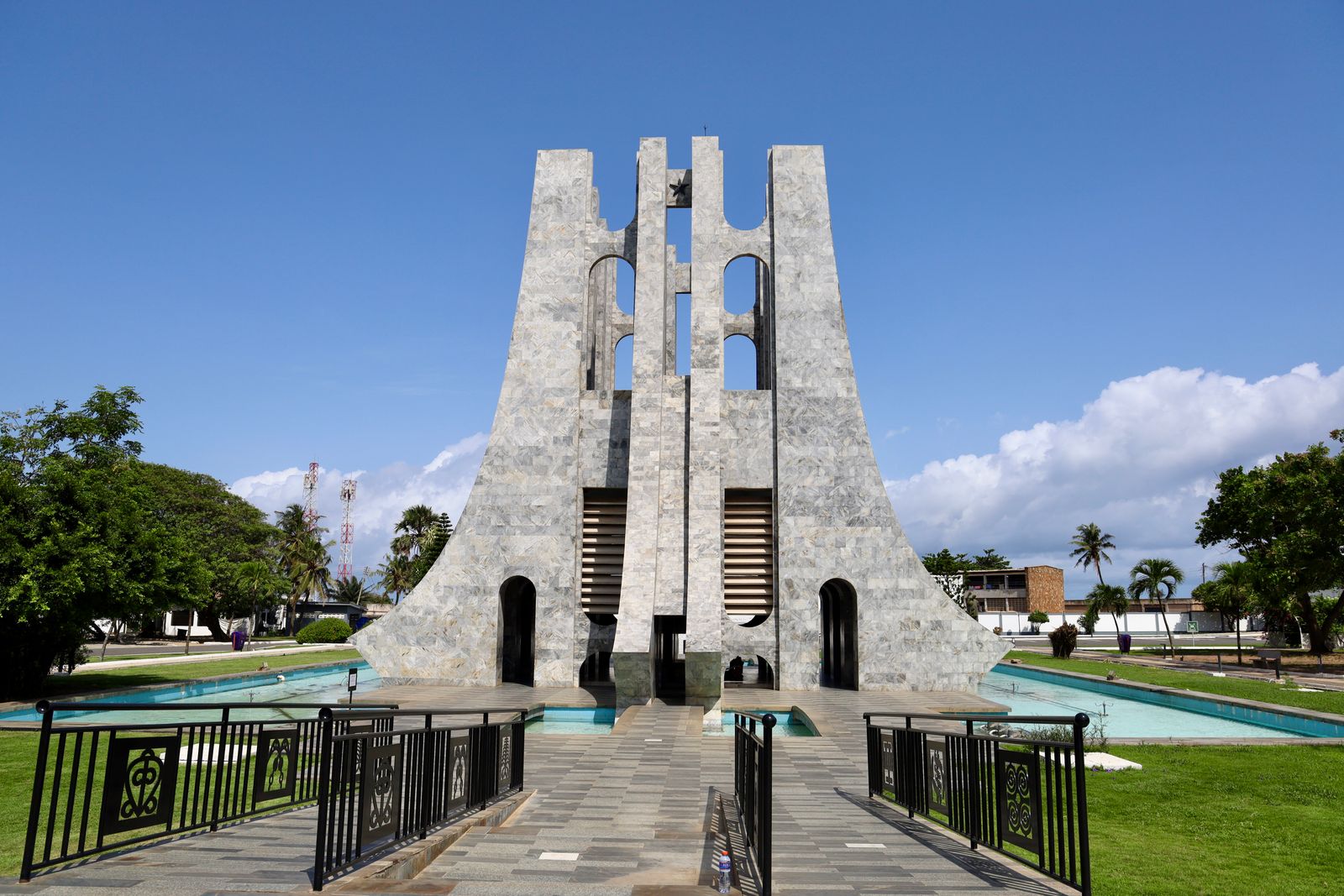
Kwame Nkrumah Memorial
Visit the mausoleum and museum dedicated to Ghana’s first president in central Accra. It is the best quick primer on Ghana’s independence story and postcolonial identity.
Makola Market Dive
Experience the dense, fast-moving heart of everyday commerce at Makola Market. Go with a guide or a local friend to navigate textiles, spices, cookware, and the rhythm of central Accra.
Labadi Beach Evening
Head to Labadi Beach on a lively weekend afternoon or evening for music, horseback rides, and people-watching. It is touristy, but it captures a classic slice of Accra’s beachfront social life.
W.E.B. Du Bois Center
Tour the former home and final resting place of W.E.B. Du Bois in Cantonments. The site connects Pan-African history with Ghana’s role as a home for members of the African diaspora.
Arts Centre Shopping
Browse the Centre for National Culture near Black Star Square for carvings, kente, drums, jewelry, and paintings. Bargaining is expected, and it is one of the easiest places to buy Ghanaian crafts in one stop.
Off the Beaten Path
Live like a local. Special, lesser known experiences for adventurers who want real local flavor.
Artists Alliance Stop
Visit the Artists Alliance Gallery in Labadi for a dense, memorable collection of contemporary and traditional Ghanaian art. It is much quieter than the big tourist markets and great for understanding local visual culture.
La Market Morning
Wander La Market for a more neighborhood-scale shopping experience than Makola. You will see everyday produce buying, street food, and the older Ga character of coastal Accra.
Teshie Coffin Workshop
Arrange a visit to one of Teshie’s fantasy coffin workshops, where artisans create sculptural coffins shaped like fish, tools, cars, and other symbols. It is one of Accra’s most distinctive living craft traditions.
Dzorwulu Eats Crawl
Spend an evening sampling low-key restaurants and chop bars around Dzorwulu, a practical residential area many expats overlook. It offers a more everyday view of the city than polished Osu spots.
Aburi Day Escape
Take a short trip up to Aburi and walk the Aburi Botanical Gardens for cooler air and giant old trees. It is not far from Accra, but it feels like a reset from the city’s heat and traffic.
Chale Wote Walls
Outside festival dates, return to Jamestown’s backstreets to look for murals, boxing gyms, and small artist studios. Going slowly through the neighborhood reveals the creative life that casual visitors miss.
Cost of Living
1-Bedroom Apartment (City Center)
$900/mo
3-Bedroom Apartment (City Center)
$2200/mo
Restaurant Meal
$15
Monthly Groceries
$250/mo
Monthly Transportation
$35/mo
Monthly Healthcare
$140/mo
Climate
Accra is hot year-round, with a tropical savanna climate moderated somewhat by the coast. Expect daytime heat, humidity, and two rainy periods, with the heaviest rains usually around May to June and a lighter season around September to October.
Best Time to Visit
November to March
Visa & Residency
Written for US citizens
US passport holders generally need a visa before arrival for tourism or business, and a valid yellow fever vaccination certificate is typically required for entry. For longer stays, expats usually arrange extensions through Ghana Immigration Service or come on work, residence, or investor-linked permits sponsored by an employer or qualifying business. Rules and fees can change, so check the Ghana embassy or consulate serving your state before travel.
These notes assume a US passport. If you hold a different nationality, your visa options and timelines may vary. Always confirm current rules with the official embassy or consulate before you commit.
Safety
Accra is usually manageable for expats, but petty theft, phone snatching, and opportunistic scams do happen, especially in busy markets, nightlife areas, and after dark on quiet streets. Traffic accidents are a bigger everyday risk than violent crime, so use trusted drivers or ride-hailing apps when possible.
Healthcare
Accra has the country’s best private hospitals and clinics, including facilities used by diplomats and corporate expats, but standards vary and serious specialist care may still require evacuation. Comprehensive private insurance with evacuation cover is a smart choice for long-term residents.
Culture & Lifestyle
Culture
Ghanaians are generally warm, social, and respectful, and greetings matter more than many Americans expect. Dress is flexible in most expat areas, but modest, neat presentation is appreciated in professional settings and when visiting religious or traditional spaces.
Lifestyle
Life in Accra can be very social, with beach clubs, live music, brunch spots, art openings, and house gatherings shaping the week. The tradeoff is traffic, occasional power or water disruptions, and a pace that often rewards patience and local connections.
Language
English is the official language, with widely spoken local languages including Twi, Ga, and Ewe.
Currency
Ghanaian cedi (GHS)
Timezone
GMT (UTC+0)